
The Product Page Audit That Increased Revenue by 40%
2026-04-03
Why Most AI Content Strategies Fail Within 3 Months
2026-04-05
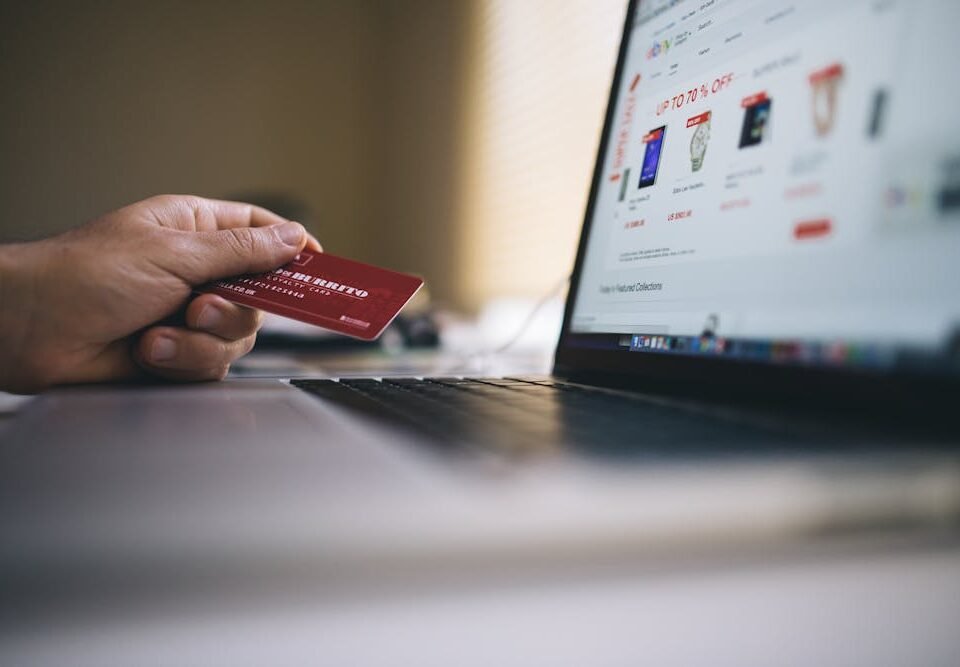
Cart abandonment sounds like it is the customer’s fault. They added items to their cart. They showed clear purchase intent. Then they changed their minds and left. But after analyzing over 5,000 abandoned carts across ten different e-commerce stores, I found that in most cases the abandonment was not about the customer changing their mind. It was about the shopping experience failing them at a critical moment.
The Number One Reason People Abandon
Across all 5,000 carts I analyzed, the most common reason for abandonment was unexpected costs at checkout. This accounted for 42 percent of all abandoned carts. Someone adds a product to their cart, proceeds to checkout, and discovers that shipping costs $12 or taxes add another 8 percent. The total price is suddenly much higher than expected. They leave.
The fix is straightforward and almost free: show the total cost as early as possible in the process. Display estimated shipping costs on the cart page, not the checkout page. Show tax estimates if you can calculate them. Be transparent about the total price before the customer invests time filling out forms. One store I worked with reduced cart abandonment by 18 percent just by adding a shipping estimate calculator to their cart page.
The Recovery Email Sequence
Most stores send one abandoned cart email and call it done. The best performing sequence I have tested across multiple stores is four emails spaced over three days.
The first email goes out one hour after abandonment. It is friendly and simple. “Did you forget something?” with a clear image of the product and a direct link back to the cart. No pressure, no discount, just a reminder.
The second email goes out 24 hours later. It includes a customer review of the product the person was considering. Social proof addresses the hesitation that many shoppers feel about buying from an unfamiliar store.
The third email goes out 48 hours after abandonment. This one includes a 10 percent discount code. The discount creates urgency and addresses the price objection that might have caused the abandonment in the first place.
The fourth and final email goes out 72 hours after abandonment. “Last chance — your cart is about to expire.” This creates final urgency for people who were planning to come back but kept putting it off.
The total recovery rate across all four emails averages 15 to 18 percent of abandoned carts. For a mid-size store doing $500,000 per year, that can mean $50,000 to $75,000 in recovered revenue annually.
Prevention Is Better Than Recovery
Before you build the recovery email sequence, fix the checkout experience itself. I have found that most abandonment problems can be prevented with a few changes. Offer multiple payment options — credit card, PayPal, Apple Pay, and Google Pay cover most preferences. Allow guest checkout — forcing account creation kills about 25 percent of potential sales. Show a progress bar so customers know how much longer the process will take. Use a one-page checkout if your platform supports it.
The stores I worked with that optimized their checkout first saw abandonment rates drop from around 75 percent to around 55 percent before sending a single recovery email. Prevention is always more efficient than recovery.
Related Articles
E-Commerce CRO: 7 Changes That Doubled Our Conversion Rate
The Product Page Audit That Increased Revenue by 40%