
Building an Email List When Nobody Knows You Exist
2026-02-09
What Your Bounce Rate Is Actually Telling You (It Is Not What You Think)
2026-02-12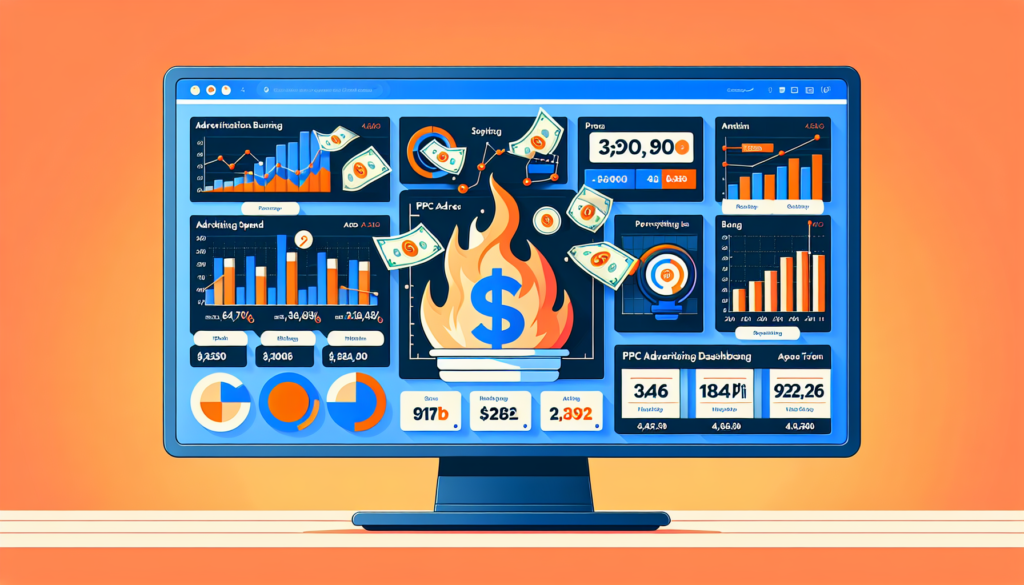
I’ve managed over $2 million in Google Ads spend across 40+ accounts in the last five years. This isn’t a flex — it’s a confession. Most of that money was wasted in the first two years because I kept making the same mistakes over and over.
1. Sending Traffic to the Wrong Landing Page
This is the single biggest mistake I see in every new account I audit. Advertisers spend hours perfecting their ad copy and keywords, then send the click to their homepage or a generic category page. The result? High bounce rate, low conversion rate, and a terrible Quality Score that makes Google charge you more per click.
The fix: Every ad group needs its own dedicated landing page. If you’re advertising “men’s running shoes,” don’t send them to the shoe category page. Send them to a page specifically about men’s running shoes with the exact offer promised in the ad.
I tested this on a client’s account. Before: $4.50 CPC, 1.2% conversion rate. After dedicated landing pages: $2.80 CPC, 3.8% conversion rate. That is a 37% cost reduction and a 3x improvement in conversion rate from a single change.
2. Using Broad Match Keywords Without Negative Keywords
Broad match in 2026 is actually useful — Google’s machine learning has improved dramatically. But broad match without a robust negative keyword list is a money incinerator. I once had a campaign for “office furniture” that spent $800 on clicks for people searching for “DIY office furniture plans.” Those searches have zero purchase intent for our product.
The fix: Before you launch any broad match campaign, spend 30 minutes building a negative keyword list. Include modifiers like “free,” “DIY,” “plans,” “how to,” “repair,” and “used.” Review your search terms report weekly and add irrelevant queries to your negative list immediately.
In one account, adding 50 negative keywords reduced wasted spend by 22% ($1,400/month recovered).
3. Ignoring Audience Targeting
Keyword targeting alone isn’t enough in 2026. Google’s auction now prioritizes audience signals over keywords in many cases. If you’ren’t layering audience targeting onto your campaigns, you’re competing blind.
The fix: Add these audience segments to every campaign: In-market audiences (people actively researching), Affinity audiences (people interested in your category), and Remarketing lists. Then use “Observation” mode for two weeks before switching to “Targeting” mode for top-performing segments.
I added in-market audiences to a struggling B2B campaign. Within two weeks, CPA dropped from $84 to $47. The audience data told Google who to show the ads to, not just what they searched for.
4. Not Using Ad Extensions Properly
Ad extensions increase your click-through rate by 10-15% on average, according to Google’s own data. They also take up more screen real estate, pushing competitors down. Yet I regularly audit accounts running on just sitelink extensions, leaving sitelink 2, callout, structured snippet, and image extensions untouched.
The fix: Implement every extension that makes sense for your business: Sitelinks (at least 4), Callouts (at least 4), Structured Snippets, Call extensions, and Image extensions for mobile. Refresh your extensions monthly — stale extensions signal to Google that the account is neglected.
5. Setting and Forgetting
The “set it and forget it” mentality is the most expensive mistake on this list. Google Ads isn’t a passive investment. The auction changes daily. New competitors enter. Seasonal shifts happen. If you’ren’t in your account at least twice a week, you’re burning money.
The fix: Build a weekly optimization routine. Monday: Review search terms and add negatives. Wednesday: Check impression share and adjust bids. Friday: Review conversion data and pause low performers. Ten minutes each. It pays for itself.
The Bottom Line
After five years and two million dollars in ad spend, here is what I know for certain: the difference between a profitable campaign and a money pit’sn’t the budget. It is the fundamentals. Landing pages that match the ad. Negative keywords that filter waste. Audience signals that guide the algorithm. Extensions that earn the click. And consistent attention that catches problems early.
Fix these five mistakes, and your next campaign will cost less and convert more. I’ve seen it happen dozens of times.
—
Check your search terms report this week. I promise you’ll find at least one query that makes you wince.
Related Articles
I Spent $50,000 on Google Ads So You Don’t Have to Make the Same Mistakes
Remarketing That Doesn’t Creep People Out